
The NCIAF Indigenous Field Days are an annual learning experience created to celebrate, strengthen, and share Indigenous-led agricultural innovation. The Indigenous Field Days bring together community members, producers, leaders, and knowledge keepers to exchange knowledge, build relationships, and advance food sovereignty.
Each year, participants visit host Nations that are undertaking impactful agriculture and food initiatives. These community-led projects, such as farm operations, greenhouses, community gardens, food sovereignty programs, and capacity-building initiatives, serve as living examples of Indigenous strength, self-determination, and connection to the land. The Field Day offers hands-on learning, guided tours, and demonstrations led by the local community members.
This annual event is more than just a field tour. The Indigenous Field Days are a celebration of community resilience, land-based education, and the collective work of nourishing nations and empowering future generations.
2025 Summary:
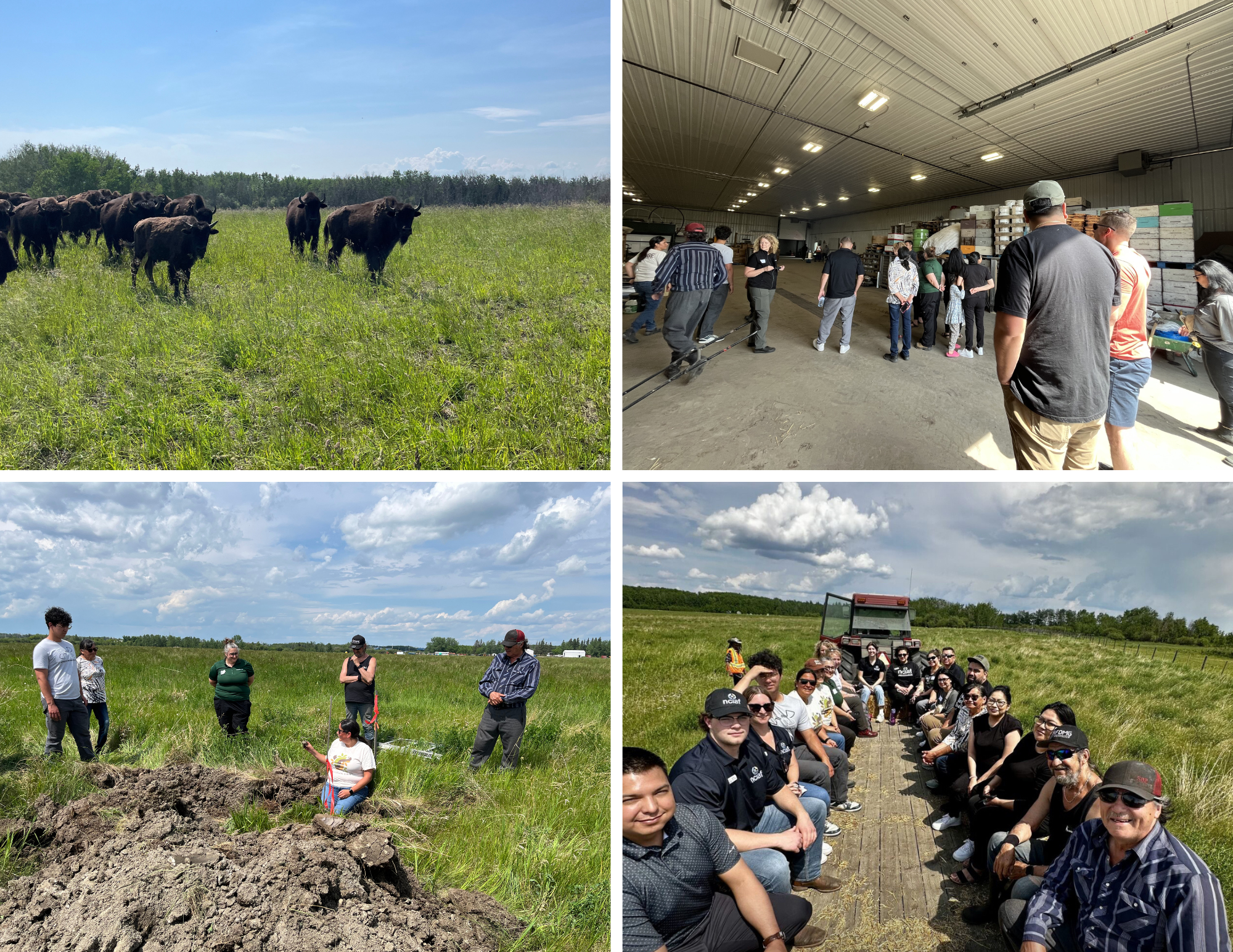
The NCIAF hosted its Second Annual Indigenous Field Day at Flying Dust First Nation. Attendees toured the Flying Dust Market Garden with Manager, Jason Cardinal, and visited the bison pasture with Elder, Gary, who shared insights on bison stewardship and the importance of engaging youth through hands-on learning experiences.
The day also highlighted Flying Dust's innovation and adaptability, including its efforts to create value-added products from damaged potato crops and the development of a wild game and bison meat processing facility.
The Field Day showcased the strength of Indigenous-led agriculture and the importance of knowledge sharing, relationship building, and community-driven solutions in advancing food sovereignty and long-term agricultural success.
2024 Summary:
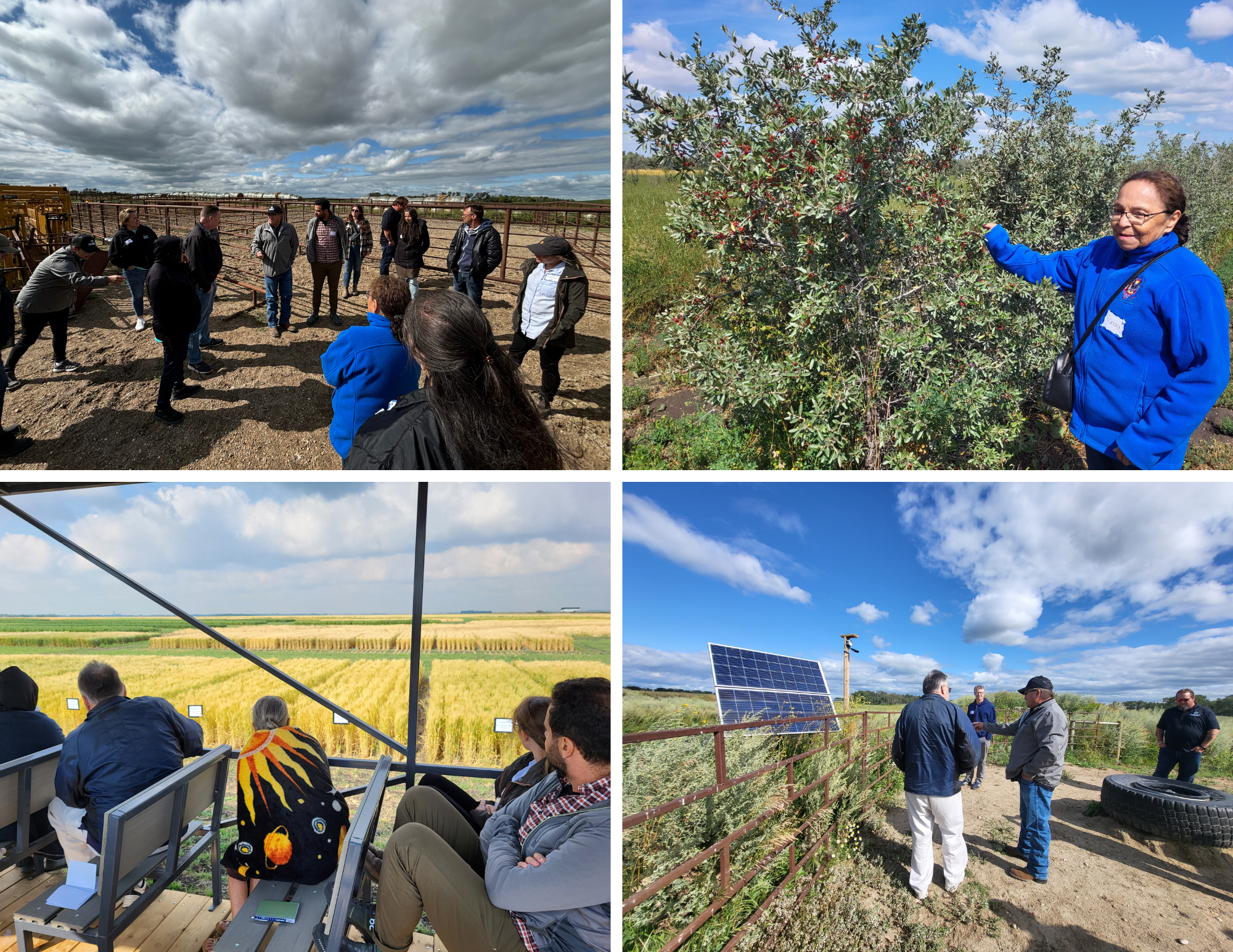
The NCIAF hosted the First Annual Indigenous Field Day at the Indian Head Agricultural Research Foundation (IHARF) farm and 4C Farms Ltd., a community-led grain and cattle farm at Cowessess First Nation, where they learned about sustainable crop production, canola research, and Indigenous-led farm operations. A highlight of the day was hearing from ReconciliAG Advisor Terry Lerat, who shared the growth of 4C Farms from a small cattle operation to 6,000 cropped acres managed entirely by the Nation.
The day created meaningful opportunities for participants to connect with agriculture in new ways. Many attendees commented on how the experience opened their eyes to the possibilities within the sector and reinforced the importance of Indigenous representation in agriculture.
The success of the inaugural Indigenous Field Day demonstrated the value of bringing people together to learn, share knowledge, and explore pathways toward greater Indigenous participation in agriculture. It laid the foundation for future Field Days focused on strengthening relationships, fostering leadership, and supporting the growth of Indigenous food systems.