

Thank you for joining us at Tatanka Wichohan: Buffalo Teachings
Tatanka Wichohan, hosted by the National Circle for Indigenous Agriculture and Food (NCIAF), brought together Elders, knowledge keepers, community leaders, Indigenous producers, youth, industry partners, and practitioners for two days of learning, reflection, and relationship building rooted in Indigenous ways of knowing. The gathering created space to share stories, strengthen connections, and explore the growing movement to restore buffalo to Indigenous lands and communities.
Throughout the gathering, one message remained clear: buffalo are not merely livestock, they carry deep cultural, ecological, and historical importance. They are relatives, teachers, and a source of culture, identity, healing, and responsibility. Every conversation reflected the understanding that restoring buffalo is also about restoring relationships with the land, with one another, and with future generations.
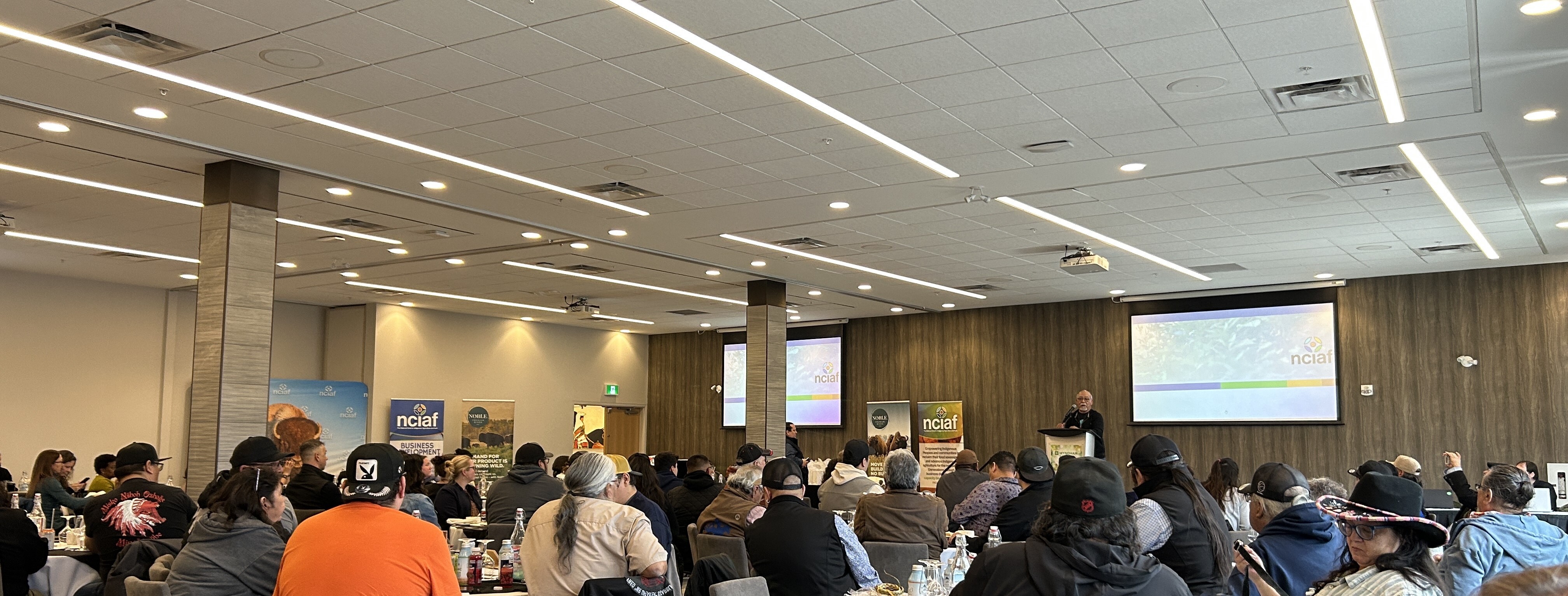
Gathering Snapshot
From opening remarks to closing reflections, Tatanka Wichohan moved through two days of presentations, panels, and personal stories, with each one adding its own layer to the gathering's purpose. The following sections highlight some of the key moments and voices from across the two days.
Dylan Spence (Brokenhead Ojibway First Nation)
The Importance of Bison and Sustainability
Dylan Spence spoke to the importance of bison and sustainability, exploring the broader role that bison play in the health and wellbeing of Indigenous communities. He spoke about bison as more than a source of food and economic opportunity, framing them as a foundation for community resilience that connects land stewardship with cultural continuity. His remarks grounded the gathering in practical knowledge and lived experience, reminding participants that restoring bison is, at its core, about restoring balance between people, animals, and the land.
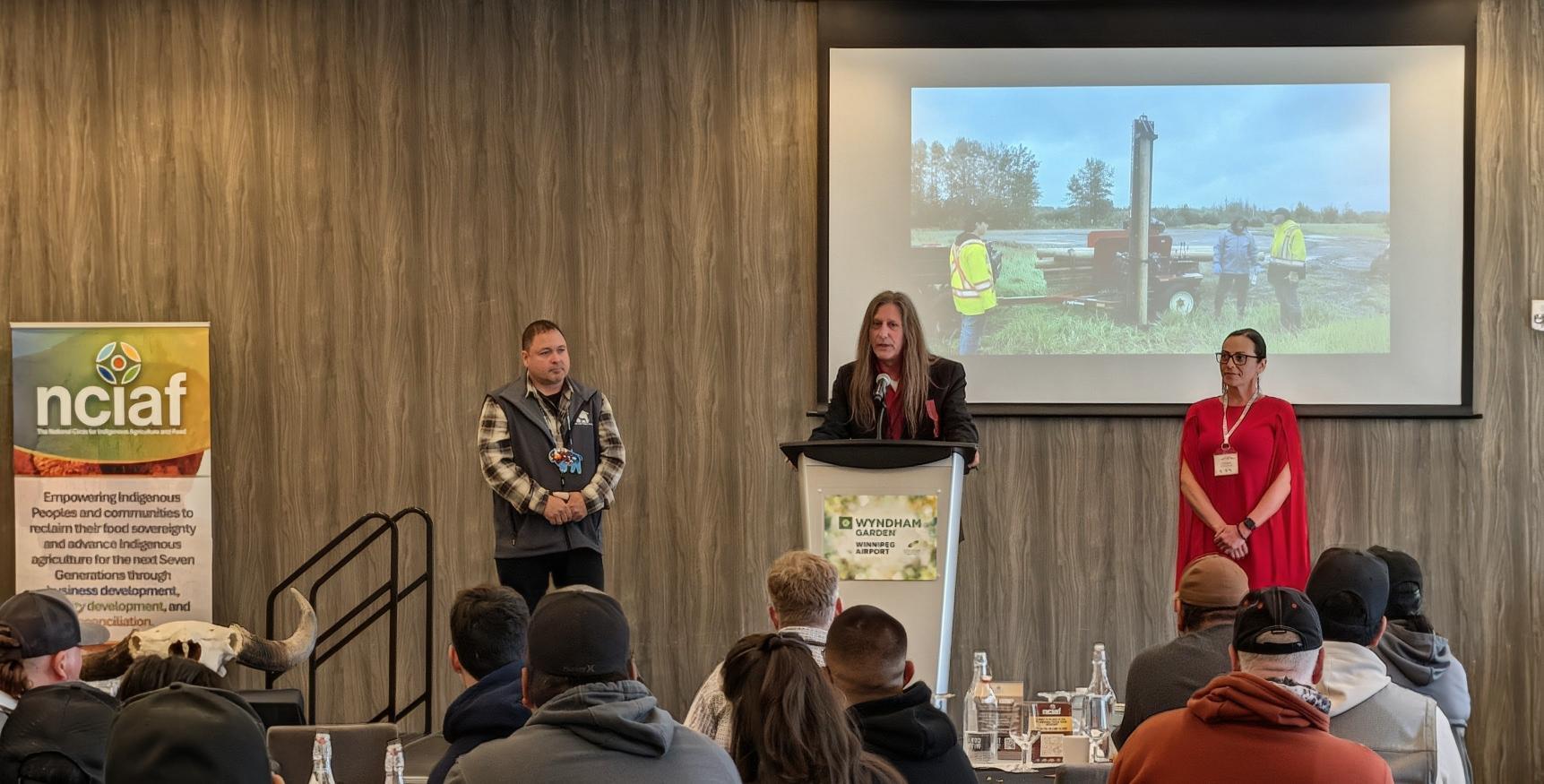
Willow Lake Métis Nation
Building a Nation Managed Bison Herd
Representatives from Willow Lake Métis Nation shared their journey of establishing a nation-managed bison herd, from the earliest concept stages through operational development. Their honest, detailed presentation sparked significant engagement from the room and led to an extensive, thoughtful question and answer session, serving as a reminder of how deeply this work resonates across communities.
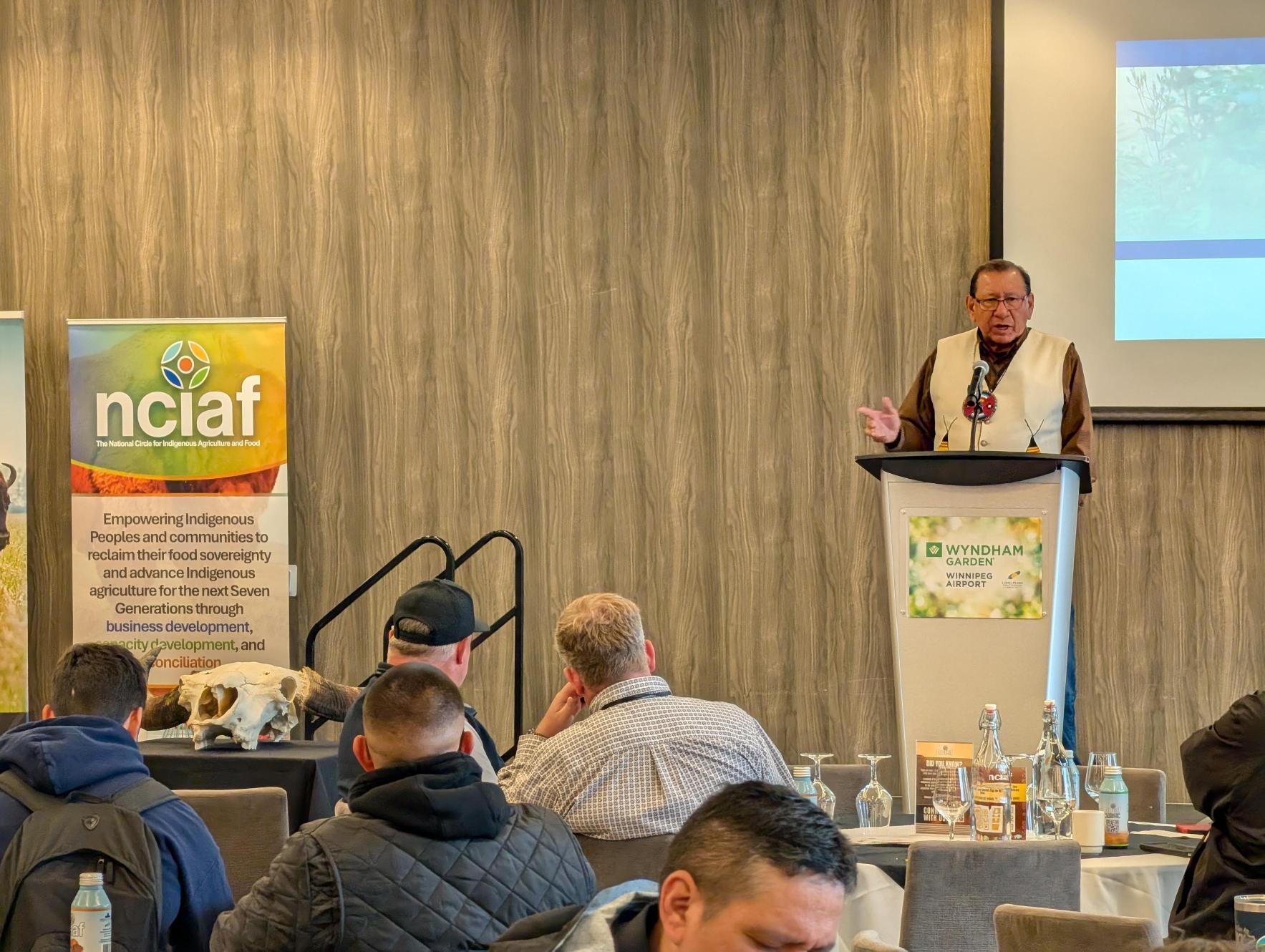
Dan Fox (Wolf Crow Bison Glenwood)
Buffalo Teachings and Remembrance
One of the most meaningful moments of the gathering occurred during Dan Fox's presentation, where he shared a heartfelt story derived from his own life and personal experience. His words moved the room to a place of quiet reflection as stories, memories, and buffalo teachings were shared, a sincere reminder that this work is carried not only through plans and projects, but through the people who dedicate their lives to it.
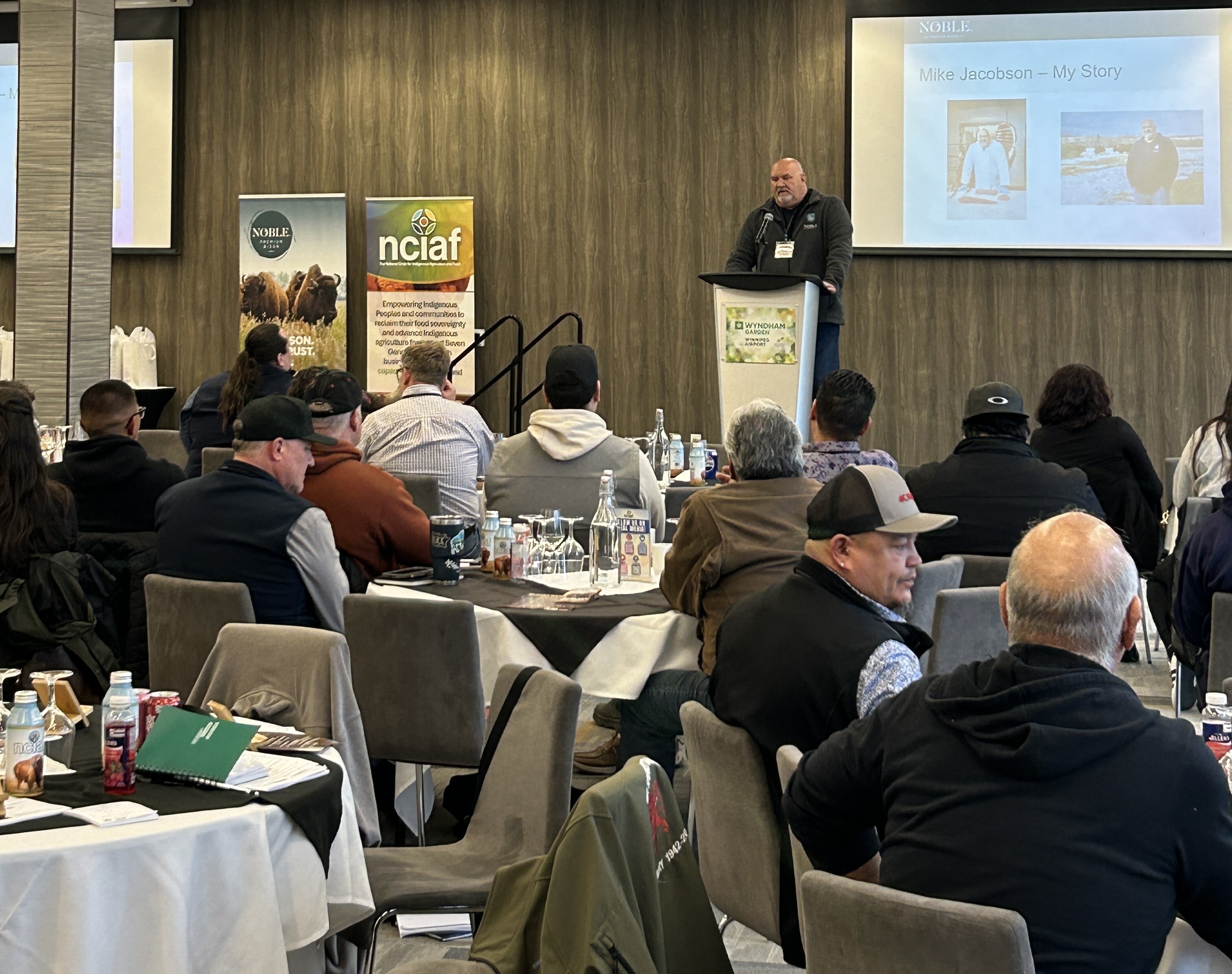
Mike Jacobson (Noble Premium Bison)
Industry Perspective and Market Opportunity
Mike Jacobson, COO of Noble Premium Bison, offered a broader industry perspective, discussing the evolution of the bison sector, current market opportunities, and how Indigenous communities can participate in and benefit from industry growth. His remarks highlighted opportunities reaching well beyond local markets, including international demand, while emphasizing that a strong, sustainable bison industry depends on genuine partnership with Indigenous producers. He spoke to the value of building relationships founded on trust and shared benefit, encouraging communities to see themselves as leaders in shaping the future.
Prairie Bison Production Panel
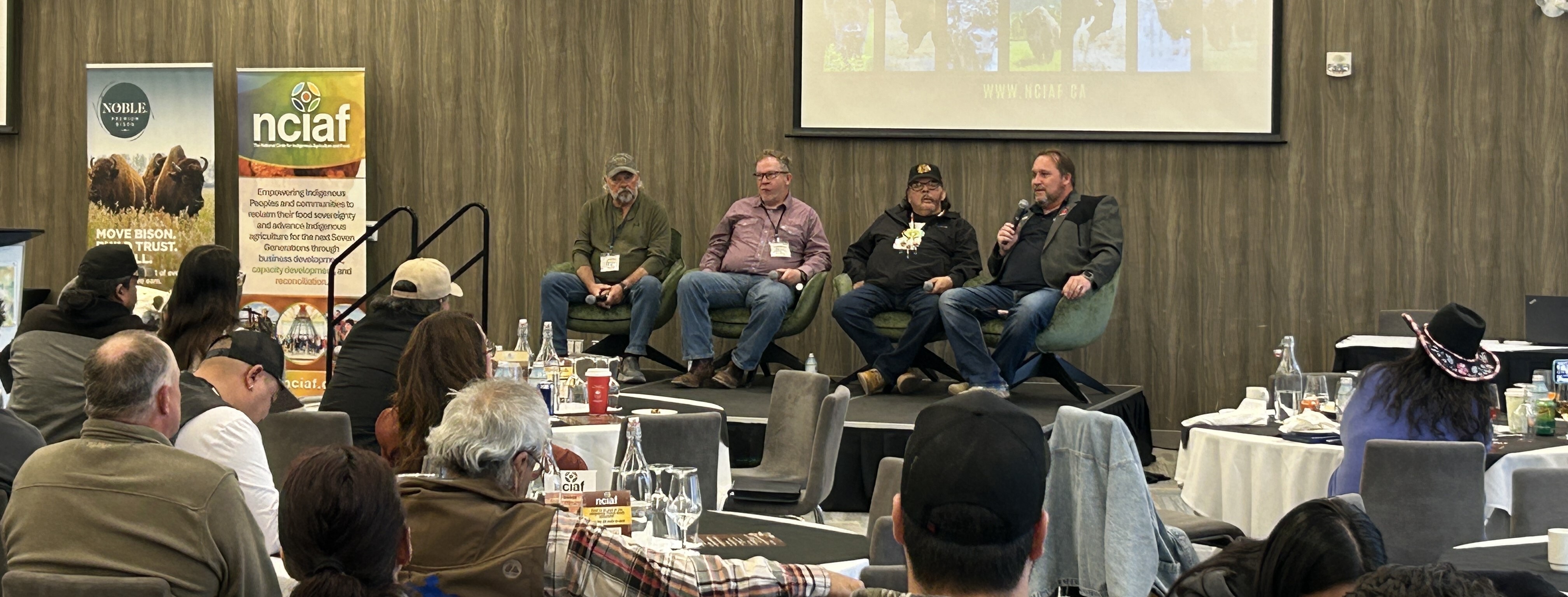
A prairie bison production panel featuring Allan Bird, Doug Griller, Robert Johnson, and Chris McKee explored ranch development, overcoming operational challenges, supporting Nations entering the industry, and expanding market opportunities for bison products. A recurring theme carried through the discussion: patience, persistence, and continuous learning are essential to lasting success. Robert Johnson closed the panel with a message that resonated throughout the gathering, that there is no single blueprint for success, and every Nation, community, and operation will define its own path forward.
Derrick Gould (Pinaymootang First Nation)
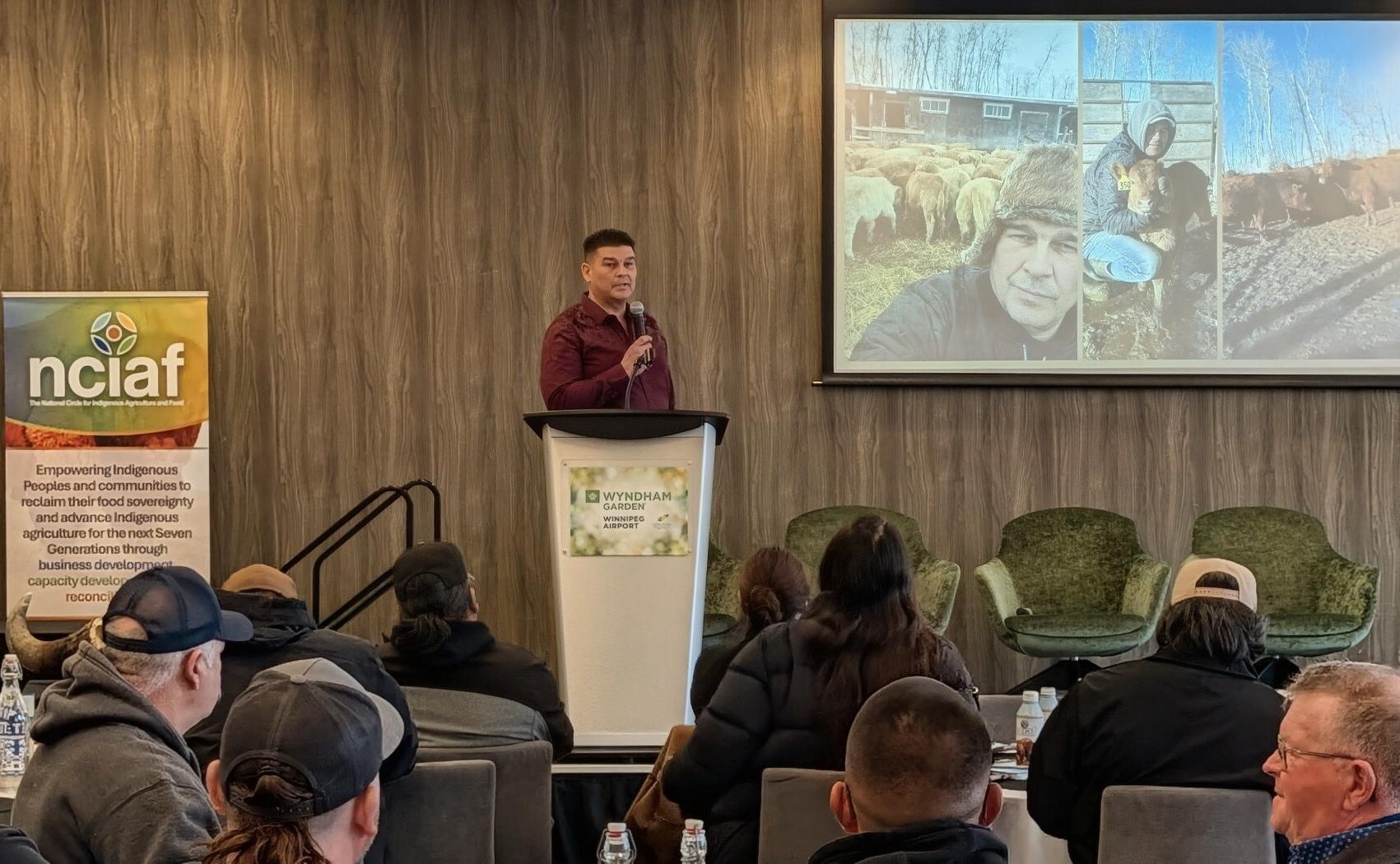
Close to Home Solutions
Derrick Gould delivered a key message: the solutions communities seek often already exist close to home. He encouraged participants to focus on youth mentorship, land stewardship, and pursuing bison work for the right reasons, not solely financial gain. Adding another perspective, Derrick's son demonstrated how modern technologies such as drone mapping can complement traditional land-based knowledge, showing how innovation and cultural teachings can move forward together.
Anthony Tacan (Sioux Valley Dakota Nation)
Politics, History, and Future of Buffalo
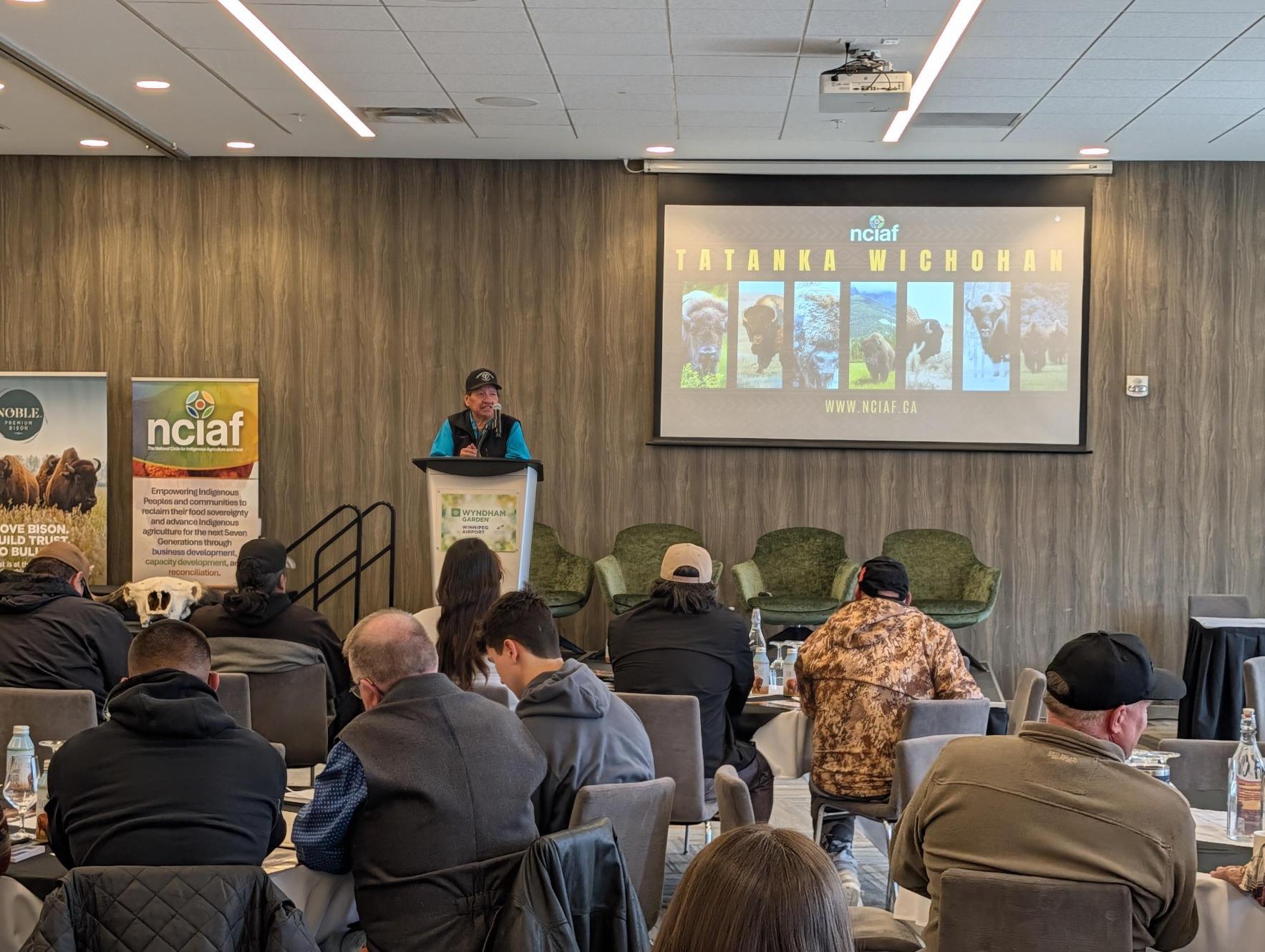
Anthony Tacan delivered a powerful and deeply personal presentation on the politics, history, and future of buffalo. Sharing experiences of hardship, healing, and reconnection, he spoke candidly about the historical forces that led to the near loss of the buffalo and the ongoing work required to rebuild what was taken. He reinforced the importance of rebuilding relationships with buffalo, not only as an ecological or economic effort, but as a spiritual and cultural responsibility carried by the whole community.
Manitoba Bison Network Panel
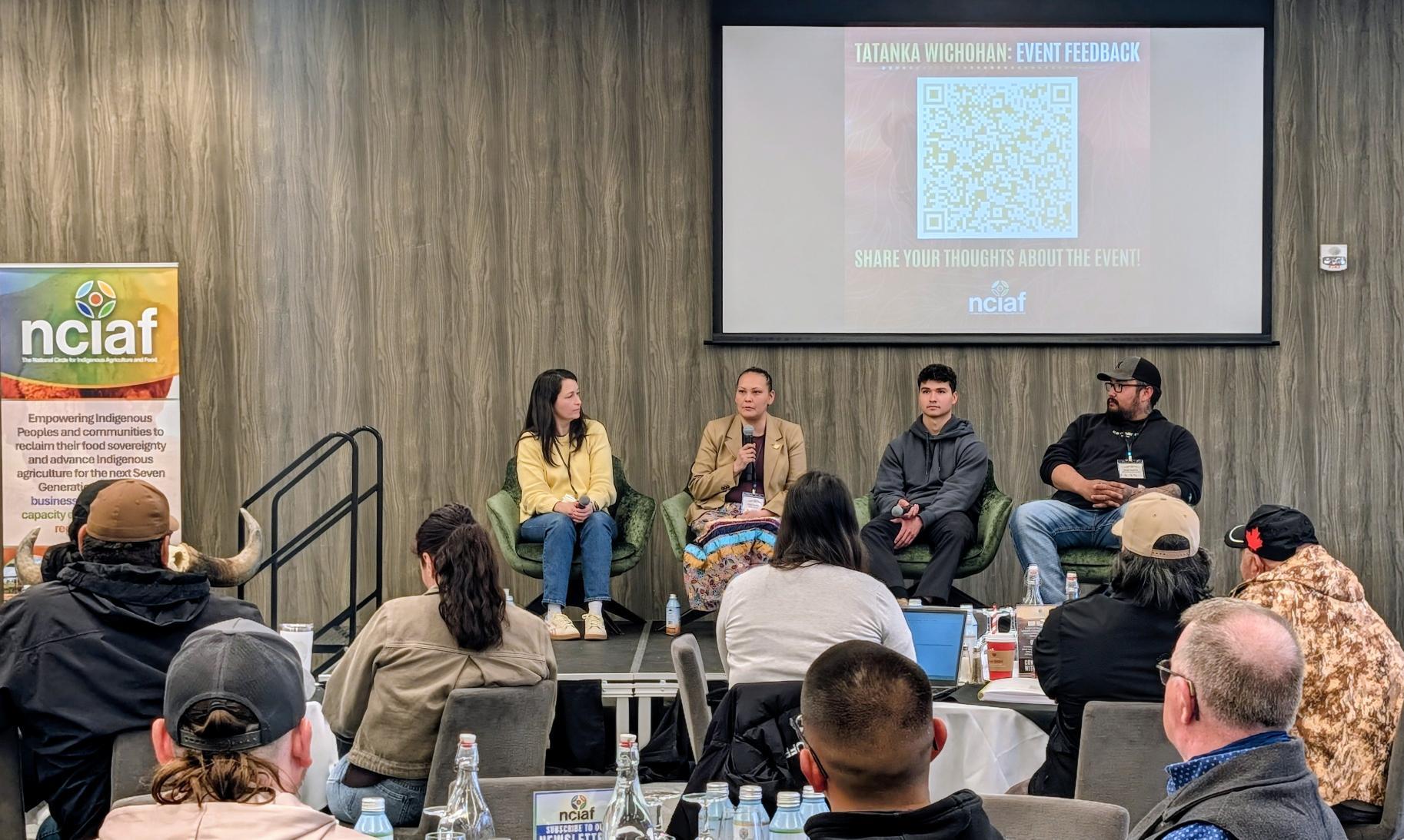
The Manitoba bison network panel reinforced the importance of leadership, collaboration, and community-driven development, with speakers emphasizing the value of putting the right people in the right roles, learning from experienced operators, and starting at a manageable scale before expanding. Panelists shared reflections from their own paths into the bison industry, offering guidance on building strong local networks, accessing mentorship, and avoiding common pitfalls faced by communities just beginning their bison journey.
Closing Reflections: Water as the Foundation
To close the gathering, Shianne McKay highlighted the work of the Centre for Indigenous Environmental Resources (CIER) and the many ways the organization supports Indigenous communities in advancing environmental stewardship. Through project development, community engagement, research, capacity building, and fund development, CIER works alongside First Nations, Métis, and Inuit communities to strengthen environmental initiatives that reflect community priorities. Drawing on examples of successful community projects, she emphasized that one lesson continues to emerge across many initiatives: water is the foundation of successful bison operations and healthy grassland ecosystems. Investing in clean, reliable water sources not only supports the health of bison herds but also strengthens the long-term sustainability and resilience of Indigenous ranching operations.
Shared Teachings
Across both days, several teachings carried through every presentation and conversation:
- Buffalo restoration is deeply connected to culture, identity, healing, and community wellness.
- Youth are central to carrying knowledge forward and ensuring the continued stewardship of buffalo for future generations.
- Strong relationships built on trust, respect, and collaboration create lasting success.
- Traditional knowledge and modern innovation can work together to strengthen Indigenous-led buffalo initiatives.
- Every Nation's buffalo journey is unique, and each community will define success according to its own vision, lands, and priorities.
- Healthy water, thriving grasslands, and responsible stewardship remain the foundation of sustainable buffalo operations.
Looking Ahead
Tatanka Wichohan was more than a gathering. It was a reminder of the strength that comes from bringing people together around a shared purpose. While participants explored practical topics such as infrastructure, grazing management, funding, and market development, the most meaningful moments came through stories, songs, teachings, and the relationships built throughout the two days.
Throughout the gathering, there was a shared commitment to supporting one another, creating opportunities, embracing new ideas, adapting to challenges, and strengthening relationships. These were values that our late friend and colleague, Adam Cameron Subject, believed were at the heart of the NCIAF. He often reminded us that our work is not measured only by the projects we complete, but by the way we show up for communities and for one another. Those values could be seen throughout Tatanka Wichohan in every conversation, every shared meal, every teaching, and every new connection that was made.
As participants returned home, they carried with them new knowledge, stronger connections, practical resources, and renewed inspiration to continue restoring buffalo within their own communities. Together, these efforts are helping shape a future where buffalo once again thrive on Indigenous lands, supporting culture, food sovereignty, ecological stewardship, and community prosperity for generations to come. In carrying this work forward, we also honour Adam's legacy and the spirit of generosity, collaboration, and community that he inspired in so many.