Jun 15, 2026 The Hockey Canada Indigenous Advisory Circle (HCIAC) recently gathered for its second meeting to continue important work around reconciliation, Indigenous leadership, and the future of hockey in Canada. The NCIAF was honoured to facilitate two impactful half-day planning sessions for the IAC, led by Chair Dr. Wilton Littlechild. At first glance, hockey and Indigenous agriculture may seem like different worlds but both Hockey Canada and the NCIAF share a deep commitment to community, youth development, leadership, wellness, and creating accessible opportunities for future generations. Both organizations understand the importance of culture, identity, and building strong foundations that allow Indigenous youth to thrive. The partnership is also rooted in a history of shared leadership. NCIAF President and CEO Kallie Wood previously served two terms on the Hockey Canada Board Nominating Committee, helping advance policy change and strengthen governance within the organization. When Hockey Canada approached NCIAF to help facilitate conversations with the Indigenous Advisory Circle, the answer was an immediate yes. Formed in 2025, the IAC was created to help guide Hockey Canada's reconciliation journey and advance the Truth and Reconciliation Commission's Calls to Action in sport. More than an advisory body, the IAC is a circle focused on relationship building, healing, accountability, and creating safer and more inclusive pathways for Indigenous youth in hockey. One of the first areas of discussion was what helps Indigenous youth succeed in the game. Representatives emphasized that Indigenous youth should never feel forced to compromise their identity to belong in hockey, highlighting the importance of trust, mentorship, cultural safety, belonging, accessibility, and meaningful Indigenous representation across all levels of the game, from players and coaches to leadership and governance. The group also spoke openly about the barriers that continue to push Indigenous youth away from the sport, addressing systemic racism, unsafe environments, lack of representation, and limited access to opportunities and support. It was reinforced that reconciliation must go beyond symbolic gestures and lead to measurable change across the hockey world. The meeting then turned toward action and accountability. Ideas included increased Indigenous mentorship and leadership opportunities, stronger anti-racism and incident reporting protocols, culturally grounded education and training, and better support pathways for Indigenous girls, coaches, officials, and athletes. Participants emphasized the importance of storytelling, visibility, and creating spaces where Indigenous youth can see themselves reflected in the game and feel empowered to dream big. A recurring message throughout the gathering was that hockey has the power to heal, connect communities, and create belonging when done in a good way. Creating safe, supportive, and culturally grounded spaces is essential to making that vision a reality. Representatives described reconciliation in hockey as creating environments where Indigenous youth can simply be kids — without constantly needing to be resilient in unsafe systems. The energy and relationships built throughout the two days extended well beyond hockey. As a direct result of the gathering, several representatives and their communities have already reached out to NCIAF to explore food security and food sovereignty initiatives. The NCIAF looks forward to continued collaboration with Hockey Canada and the Indigenous Advisory Circle in support of stronger, healthier futures for Indigenous youth and communities across Canada. 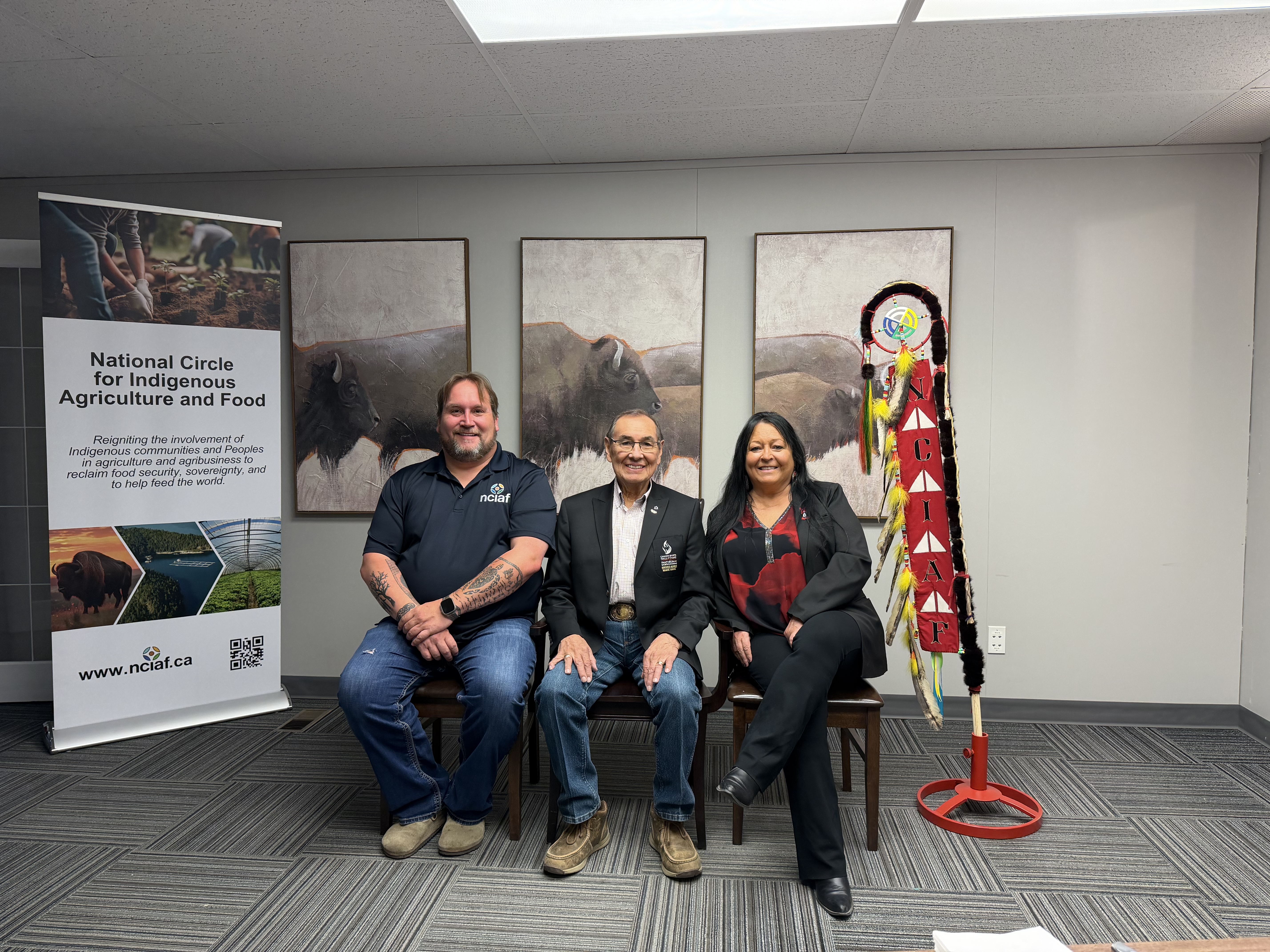
Beyond the Ice: Building Stronger Indigenous Futures Together