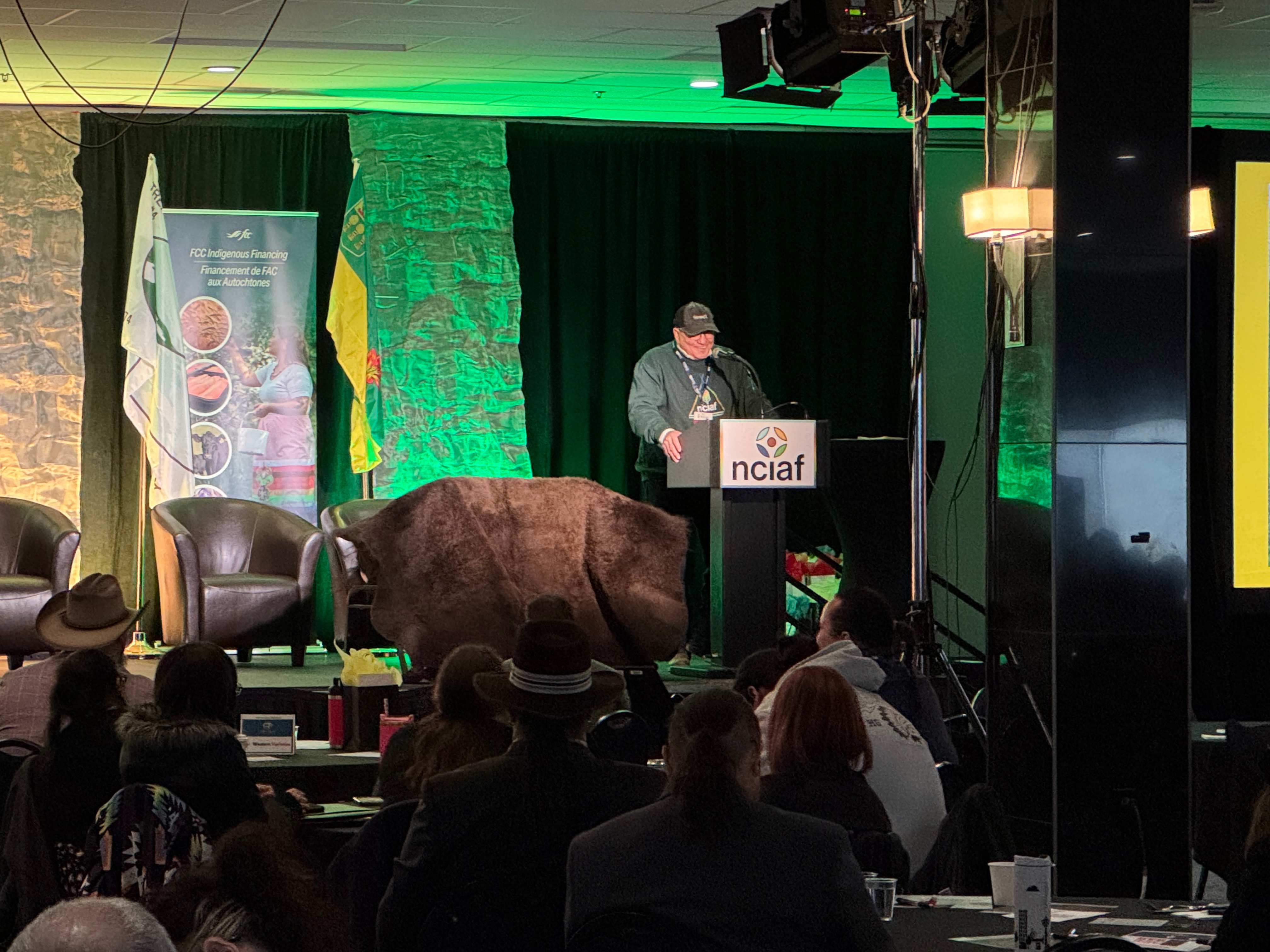
Dec 5, 2025 Day One of the Indigenous Agriculture Summit emphasized that Indigenous foodsovereignty is already happening—driven by community vision, youth leadership, and deep relationships with land and animals.Across sessions, speakers shared how northern and remote communities are building resilient food systems throughland-based learning, youth employment, sustainable grazing, and culturally grounded programming. A central theme throughout Day One was the role of youth as present-day leaders, not future placeholders. Youth from Sioux Valley Dakota Nation spoke powerfully about agriculture as an act of cultural responsibility, leadership, and service to future generations. Their reflections reinforced that meaningful participation—decision-making authority alongside guidance—is essential to building truly self-determined food systems. The day concluded with profound teachings on buffalo restoration, where speakers emphasized that bringing Iinniiwa back to the Day Two focused on innovation as a continuation of Indigenous knowledge systems—where culture, technology, and entrepreneurship work together to strengthen food sovereignty. Sessions explored wild rice stewardship, value-added food businesses, land use planning, and collaborative buffalo management, all grounded in the reality that Indigenous Nations continue to navigate land loss, policy barriers, and inequitable market structures. Speakers highlighted how Indigenous-led technologies, such as data and AI tools owned by Nations themselves, can protect Elders’ knowledge while supporting decision-making in the face of environmental and economic change. Economic sovereignty emerged as a strong thread throughout the day. From value-added food products and Indigenous-led processing to regenerative agriculture and land buy-back strategies, presenters emphasized that reclaiming control over land, production, and markets is essential to long-term community wellbeing. Youth education and innovation were highlighted as key drivers of this work, with educators, Elders, and youth leaders sharing how classrooms, gardens, and food hubs are becoming spaces for cultural revitalization, leadership development, and practical skill-building. The Summit closed with powerful reflections from Indigenous chefs and food entrepreneurs, who reminded participants that local, small-scale food systems thrive on collaboration, relationship-building, and pride of place—and that food, at its heart, is about care for one another and the land.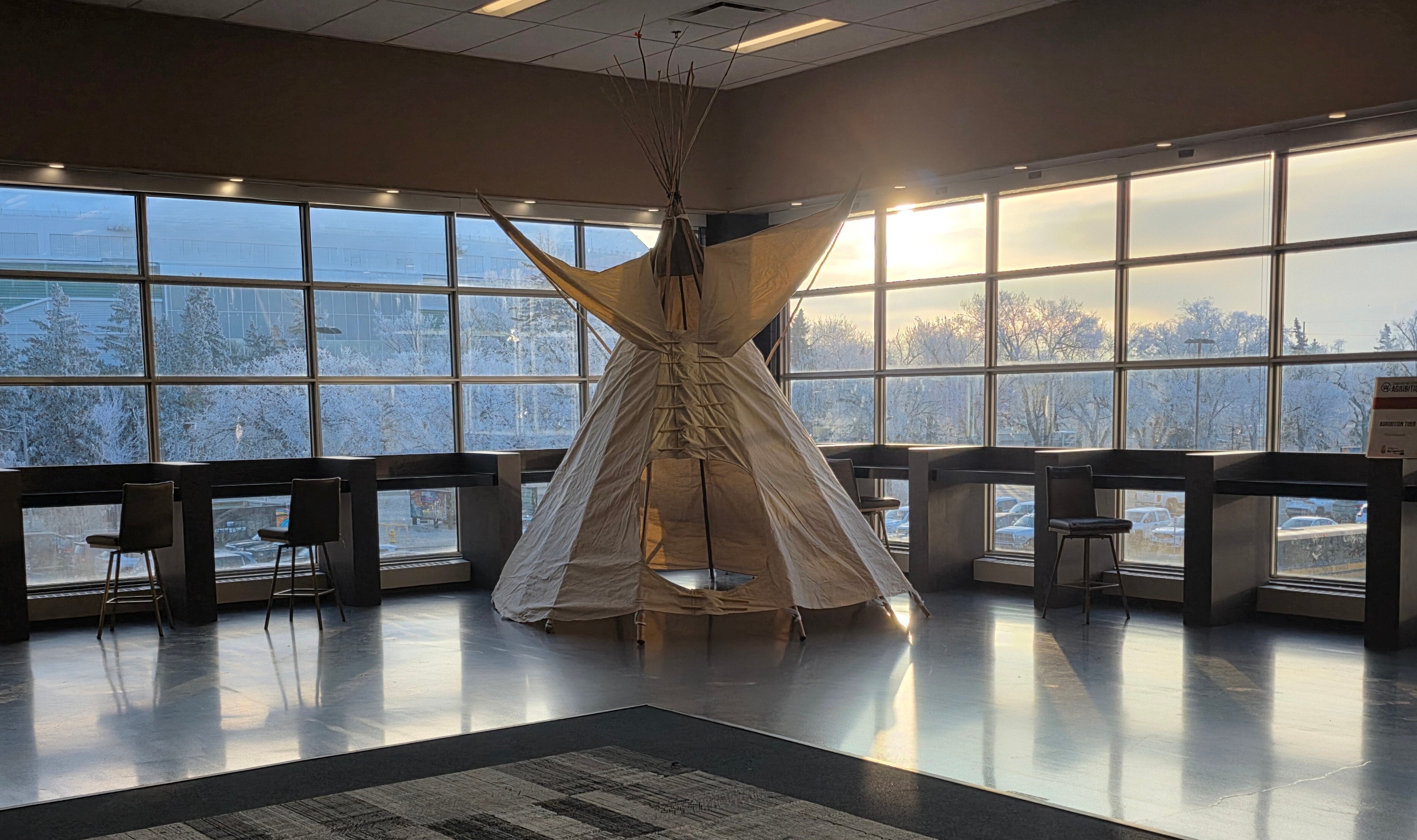
Indigenous Agriculture Summit 2025: Day-by-Day Summary
Day 1: Community-Led Food Systems, Youth, and Buffalo Restoration
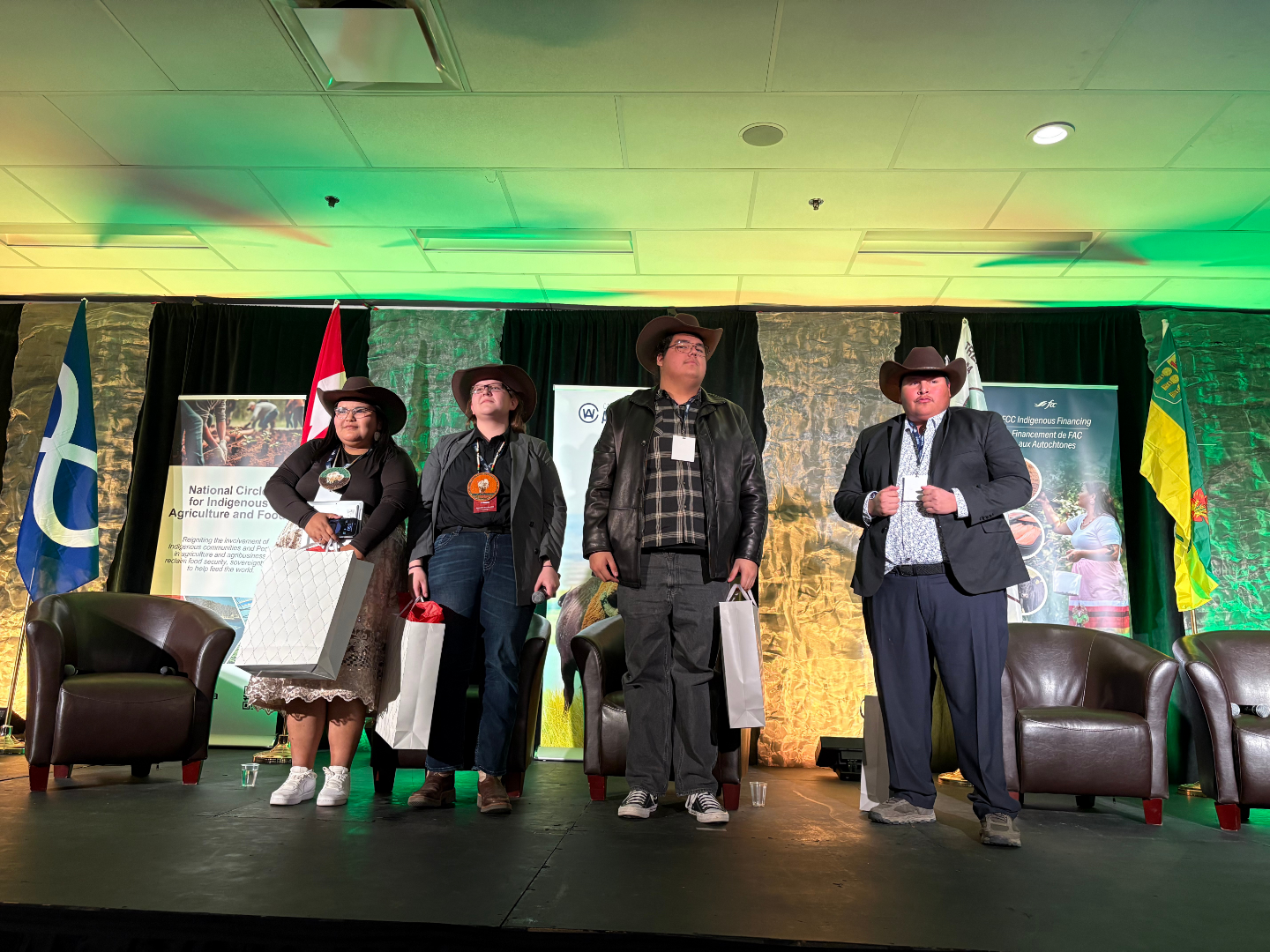
Examples from Fox Lake Cree Nation,Grow North, and Willow Brook Farms showed how food production, education, and employment reinforce one another,particularly when youth are trusted with real responsibility and supported through mentorship.Practical knowledge was also shared on accessing grants,navigating federal funding programs, and developing grazing management plans that respect both ecological health and animal autonomy.
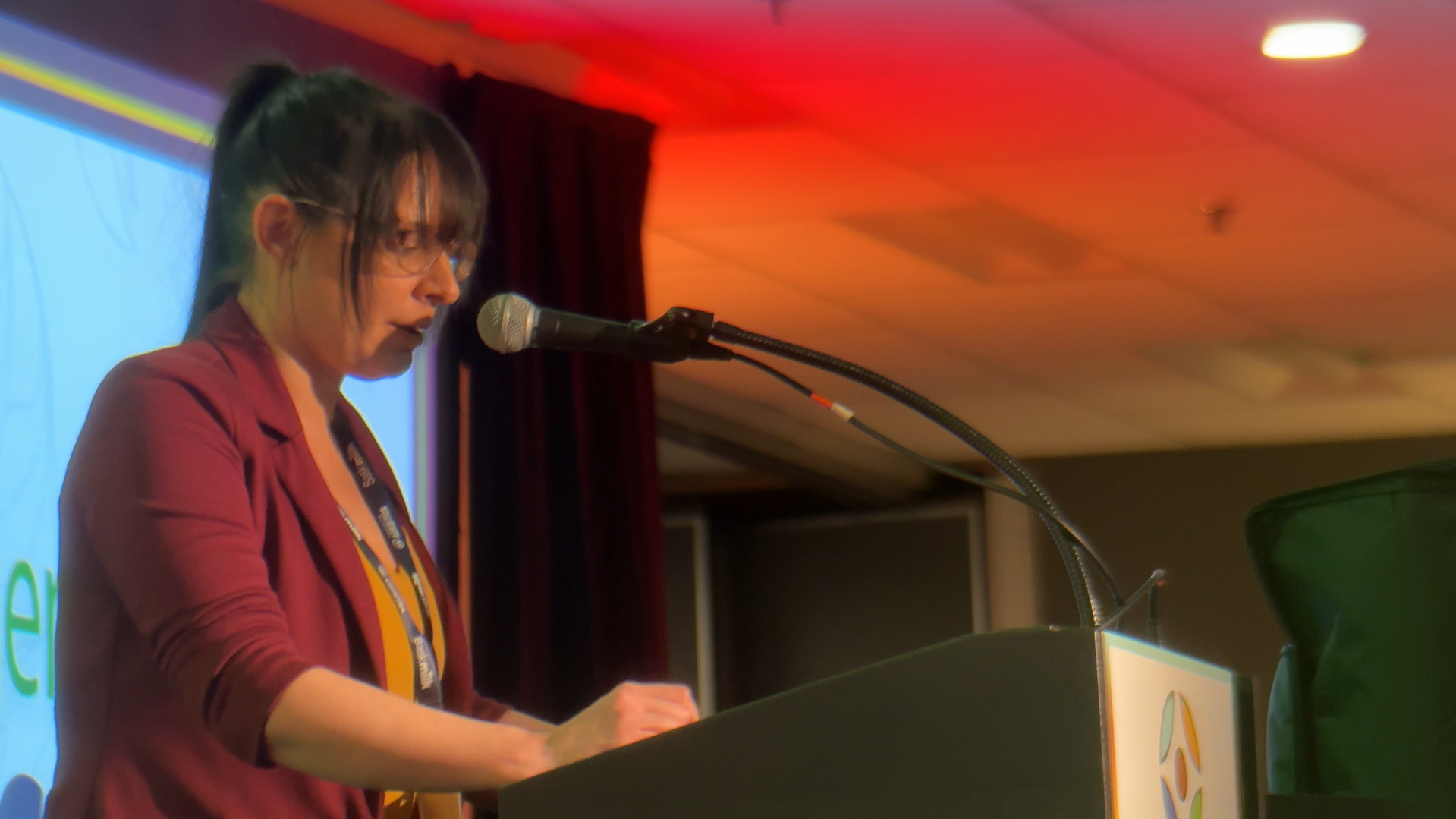
land is not simply conservation work, but a holistic act of cultural, ecological, and social renewal rooted in Indigenous governance, treaty relationships, and intergenerational knowledge transfer.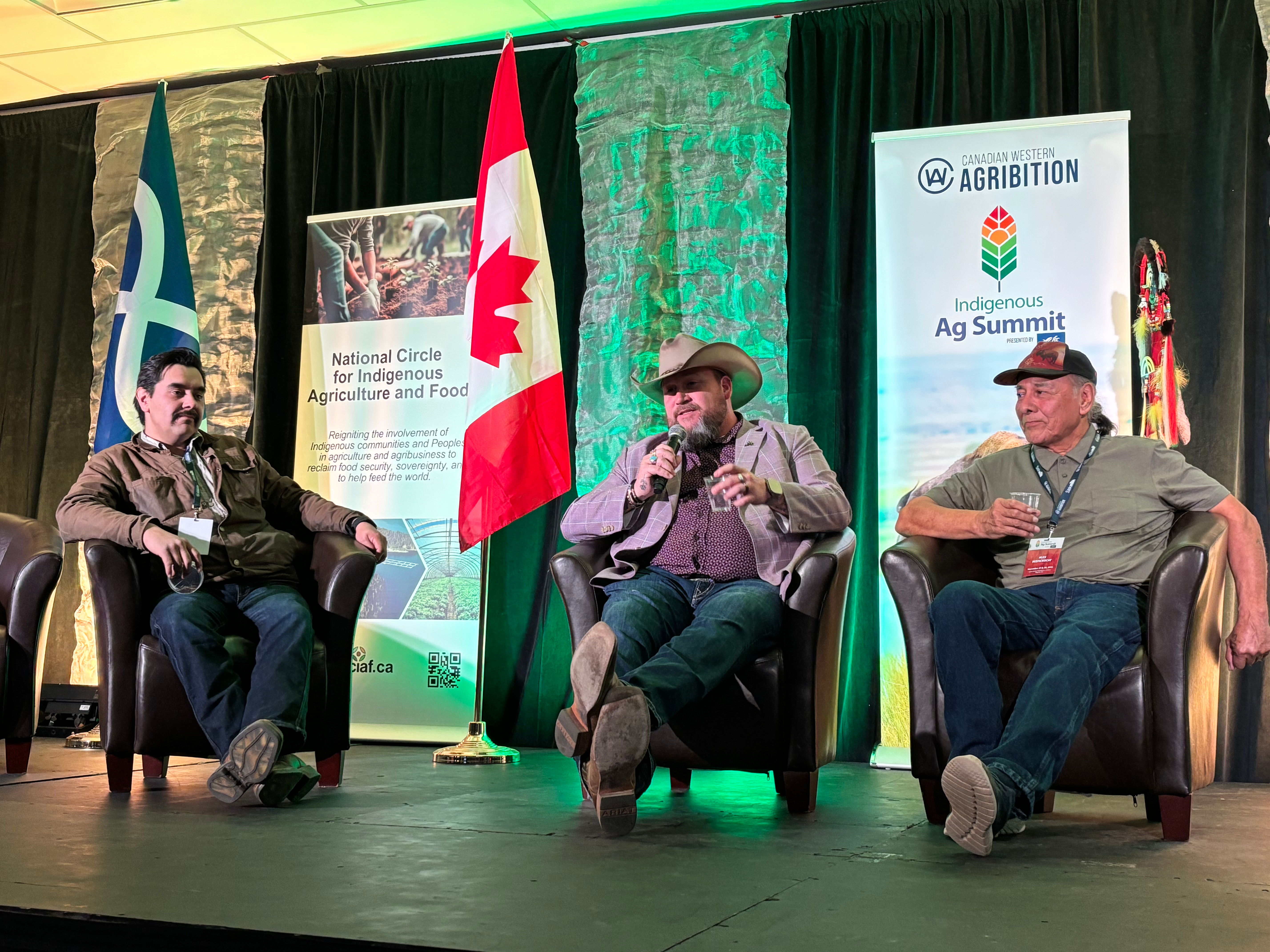
Day 2: Innovation, Land, and Indigenous Economic Sovereignty