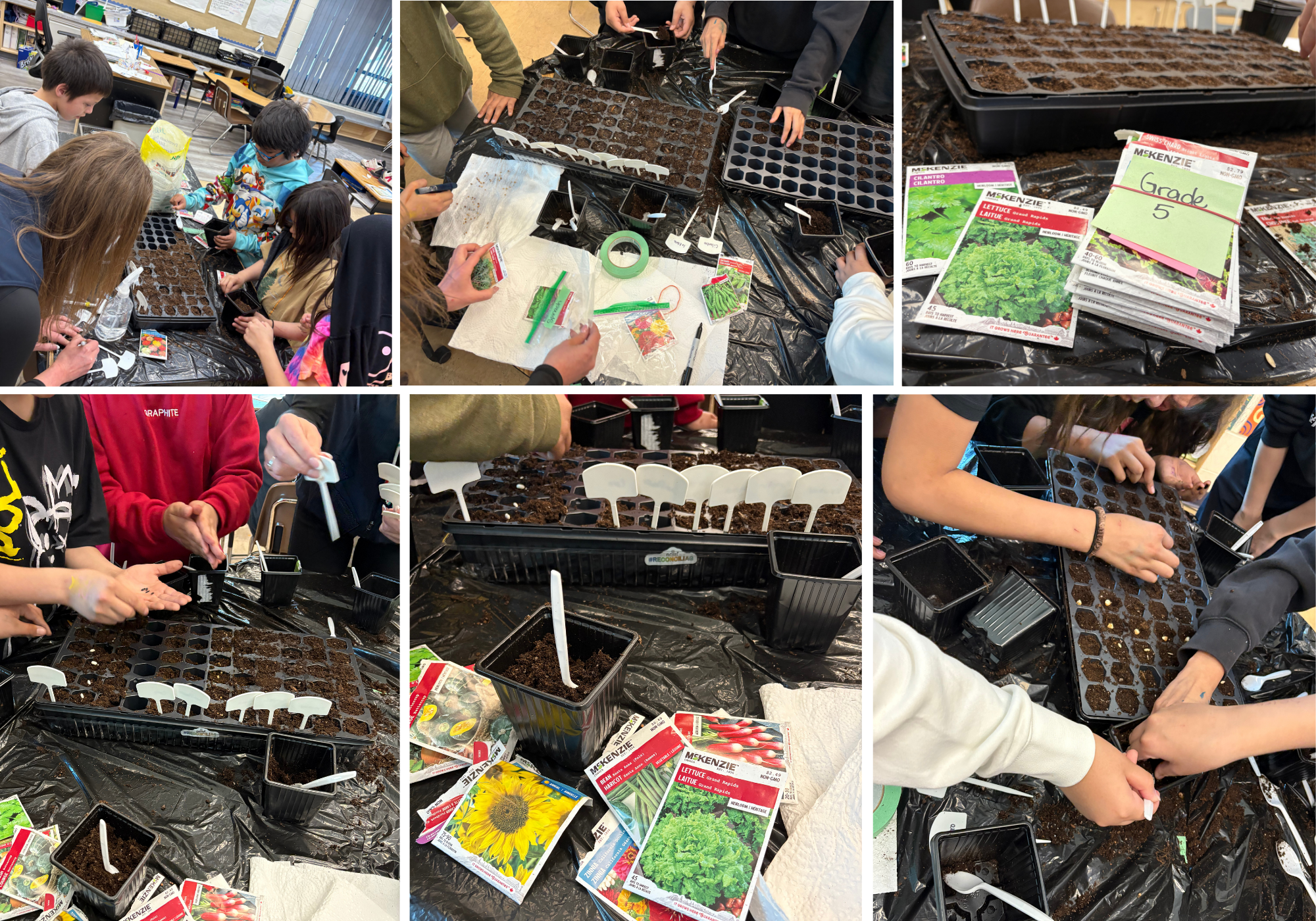
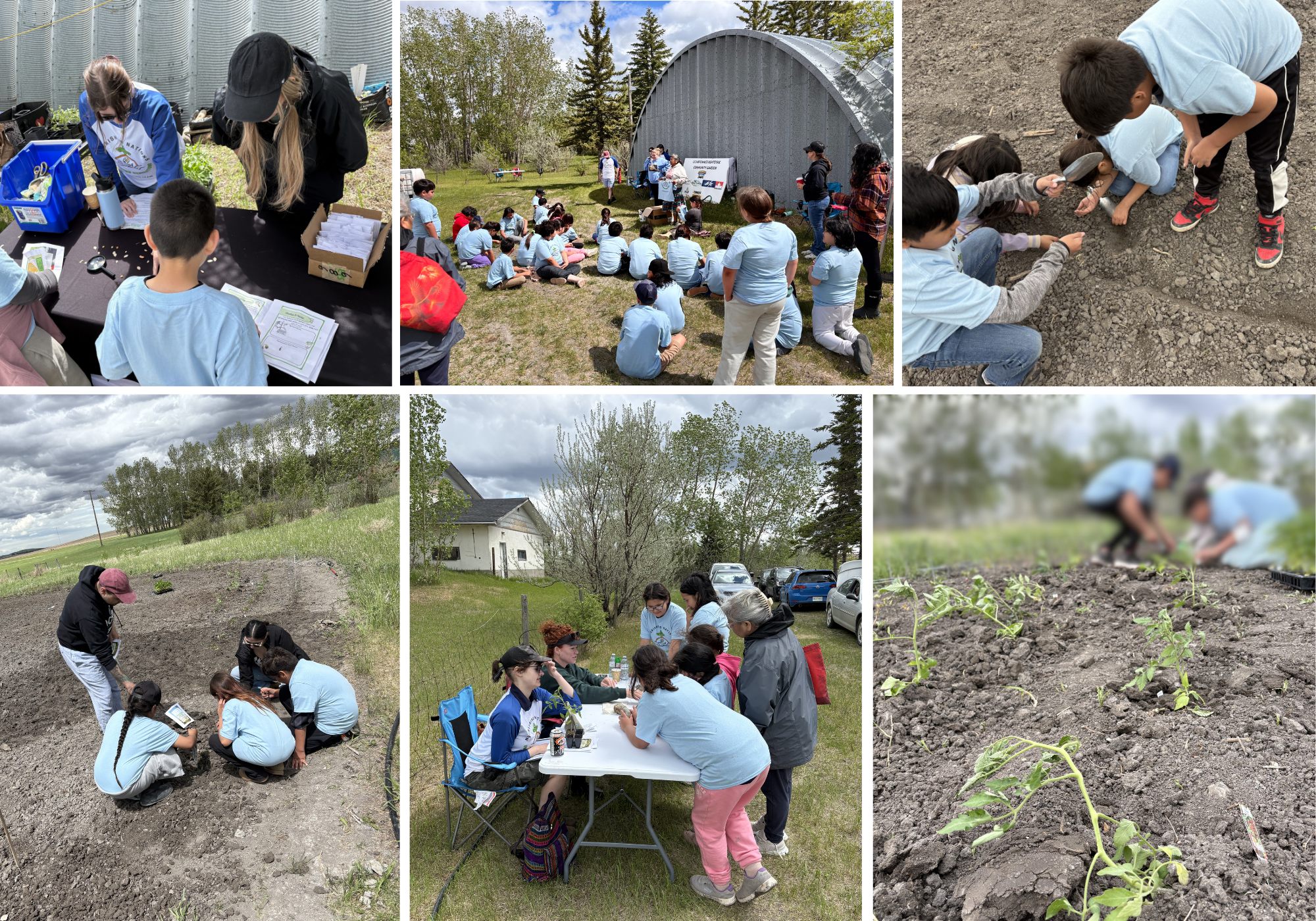
Aug 26, 2026 According to the 2021 Census, only 1.6% of the Canadian population is involved in farming. Of that small share, only 2.8% identify as Indigenous, meaning Indigenous farmers represent just 0.05% of Canada's population. These figures do not capture the many other ways Indigenous Peoples contribute to agriculture and food, including aquaculture, foraging, food product development, processing, and other areas across the sector. The food insecurity statistics for Indigenous Peoples aged 15 and older in Canada continues to represent the highest rates across all other demographics listed in the Government of Canada Food Insecurities 2026 annual report. Indigenous families are more likely to suffer from food insecurity, which reiterates the need for food sovereignty initiatives and meaningful support in the reclamation of Indigenous food systems and traditional ecological knowledge. This is why the National Circle for Indigenous Agriculture and Food (NCIAF) exists. The NCIAF works to empower Indigenous Peoples and communities through sustainable agriculture and food systems that honour traditional knowledge, promote food sovereignty, and foster economic development. We believe that work begins with youth. Through Nourishing Nations Empowering Generations (NNEG), the NCIAF is both literally and figuratively planting a seed. NNEG is a 12-week youth gardening program designed to inspire young learners to participate in their local food systems, understand the importance of agriculture and food, and deepen their appreciation for the unique traditions within their communities. In summer 2024, the NCIAF was gifted a discontinued initiative called the Food Works Program, a dual program for older adults living alone and grade 7 youth. Food Works grew out of the One Tomato Project, a southwestern Ontario community garden initiative built on a simple premise: give away 1,000 tomato plants annually and invite the public to grow the plant, eat what they can, and share what they don’t with friends, family, or a local food bank. As an ode to this project, and in recognition of the importance of reciprocity within Indigenous cultures, the NCIAF ensured that sharing remained a core component of the NNEG program. The NCIAF designed the program using a flexible, community-led learning model developed through a Minimum Viable Product (MVP) agile project management approach. This approach supports co-creation with community members, educators, and Elders. It ensures that while core learning objectives remain consistent, the program can be adapted to reflect each community’s priorities, knowledge systems, and cultural context. This flexibility is fundamental to NCIAF programming and helps ensure each program is tailored to the unique needs, traditions, and goals of each Nation. The NCIAF also consulted its Advisory Circle, made up of Indigenous leaders from across Canada, for guidance on the program’s content and approach. The program materials were well received, and the feedback provided was incorporated into the final design. Phase 1 of the NNEG program was piloted by two Nations from April to June. This phase focuses on hands-on, land-based learning through soil-grown vegetable production. Students nurture plants from seed to harvest and plant their seedlings in a community garden as a culminating activity. Throughout the pilot, NCIAF worked closely with participating Nations to gather feedback, refine delivery tools, and strengthen the curriculum in preparation for a broader national rollout. The two communities took different approaches. Muskowekwan First Nation prioritized in-class delivery, integrating hands-on learning with approximately 50 students in Grades 3, 4, and 5. Ochapowace First Nation focused on a one-day community planting initiative at the Kehteyak Community Garden. The event took place in early June after a weather-related postponement from mid-May. Both approaches reflected local priorities and demonstrated strong engagement. The pilot reinforced the importance of adapting delivery models, maintaining consistent communication, and aligning activities with community readiness and seasonal conditions. Looking ahead, the NCIAF aims to expand the program to ten communities for the 2026–27 school year, beginning in January 2027. The NCIAF will also pilot Phase 2, which introduces hydroponic growing systems. This next phase will expand students’ exposure to innovative food production methods while strengthening skills that connect both traditional and contemporary agricultural contexts. Together, these phases support food literacy, intergenerational knowledge exchange, and youth engagement in agriculture as pathways to food sovereignty and future economic opportunity. A special thank you to Saskatchewan Indian Gaming Authority (SIGA) and McKenzie Seeds for their donations, which helped make this pilot program possible.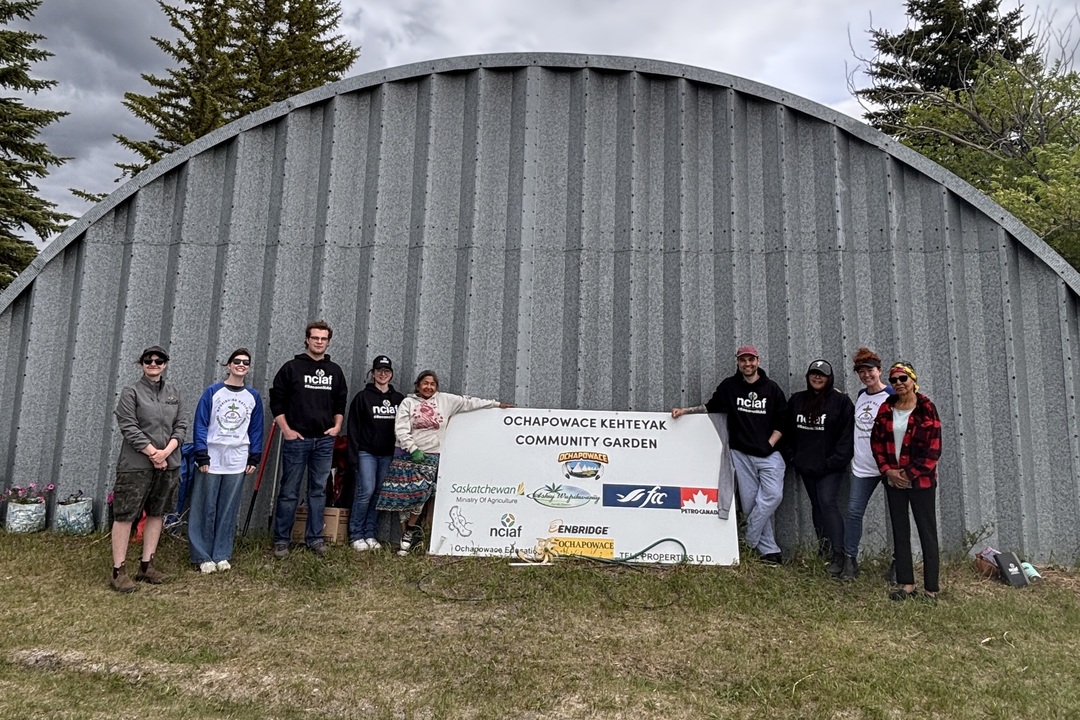
Nourishing Nations, Empowering Generations: Planting Seeds for Indigenous Food Sovereignty
Why Nourishing Nations Empowering Generations Was Created
One Tomato Project
NNEG Program Approach
NNEG Pilot Program
Looking Ahead
Acknowledgement