Nov 3, 2025 At this year’s Arrell Food Summit, the theme Resilience Reimagined: Redefining Food Systems for a Changed World encouraged participants to look critically at what resilience really means — and who defines it. Kallie Wood, CEO of the National Circle for Indigenous Agriculture and Food (NCIAF), joined Emily Nanne in a fireside conversation exploring how traditional knowledge and food sovereignty practices are reshaping Canada’s approach to food systems. Their discussion highlighted a key truth: self-determination removes the burdens that externally designed “solutions” often create. When communities have to conform to rigid funding rules, prescriptive technologies, or short-term programs, capacity is drained and innovation is limited. But when Indigenous communities lead — defining their own priorities, timelines, and measures of success — the result is stronger relationships, restored trust, and more sustainable outcomes. The morning sessions set a powerful tone, featuring transparent discussions among government and economic experts from Mexico, the U.S., and Canada on the United States–Mexico–Canada Agreement (USMCA) and its food system implications. Devita Davison of Feeding America stood out with her passionate and grounded reflections on why self-determination in food systems works across scales and contexts. Throughout the day, it became clear that resilience cannot be prescribed — it must be co-created. As Emily noted, when communities closest to the land and food systems are empowered to lead, the benefits extend far beyond the local level. The Arrell Food Summit reminded everyone that the path to food system transformation begins with relationships — with land, with community, and with purpose. NCIAF’s work continues to demonstrate that self-determined, community-driven approaches are the foundation of a truly resilient food future.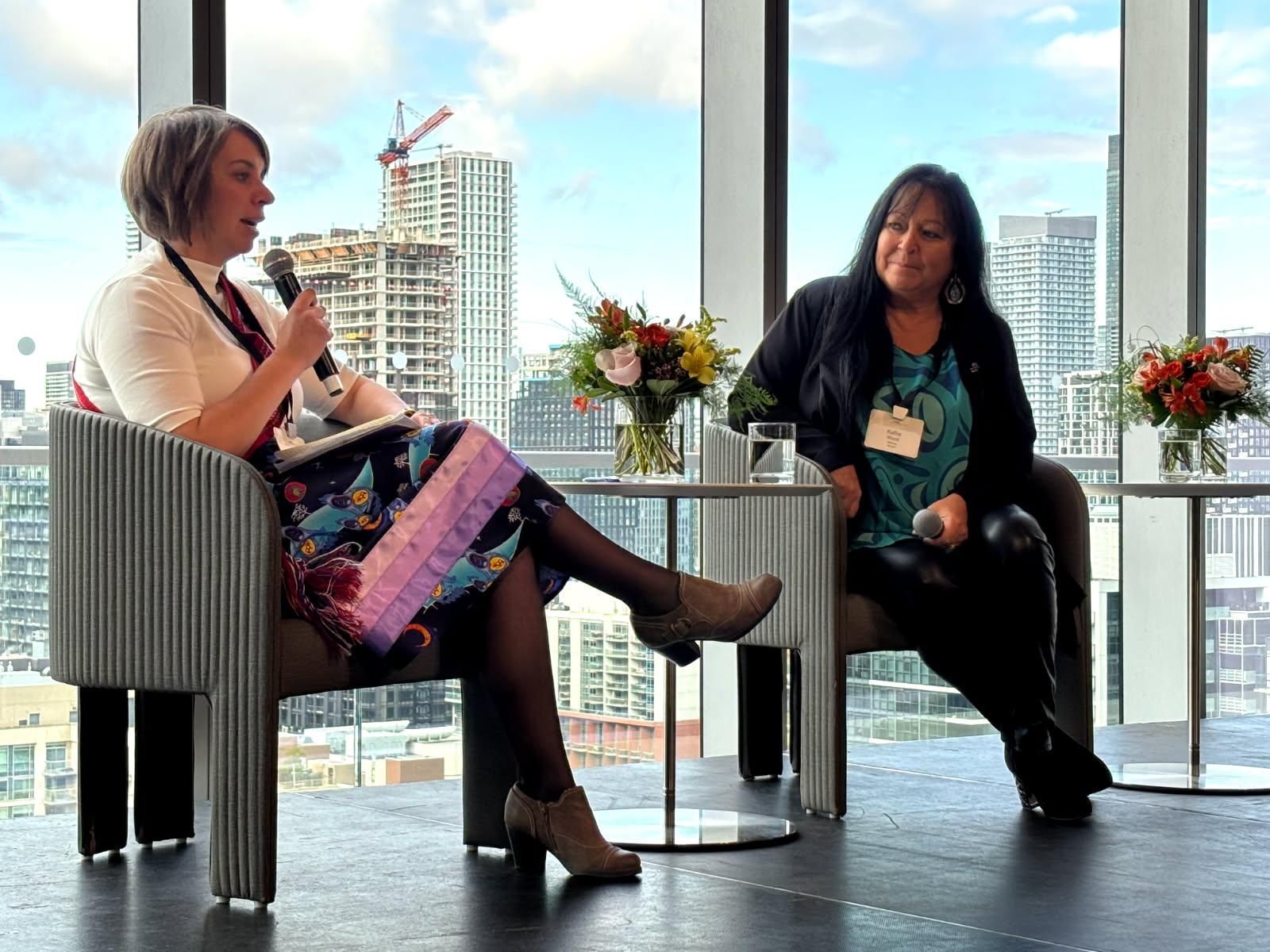
Reimagining Resilience: Indigenous Leadership at the Arrell Food Summit