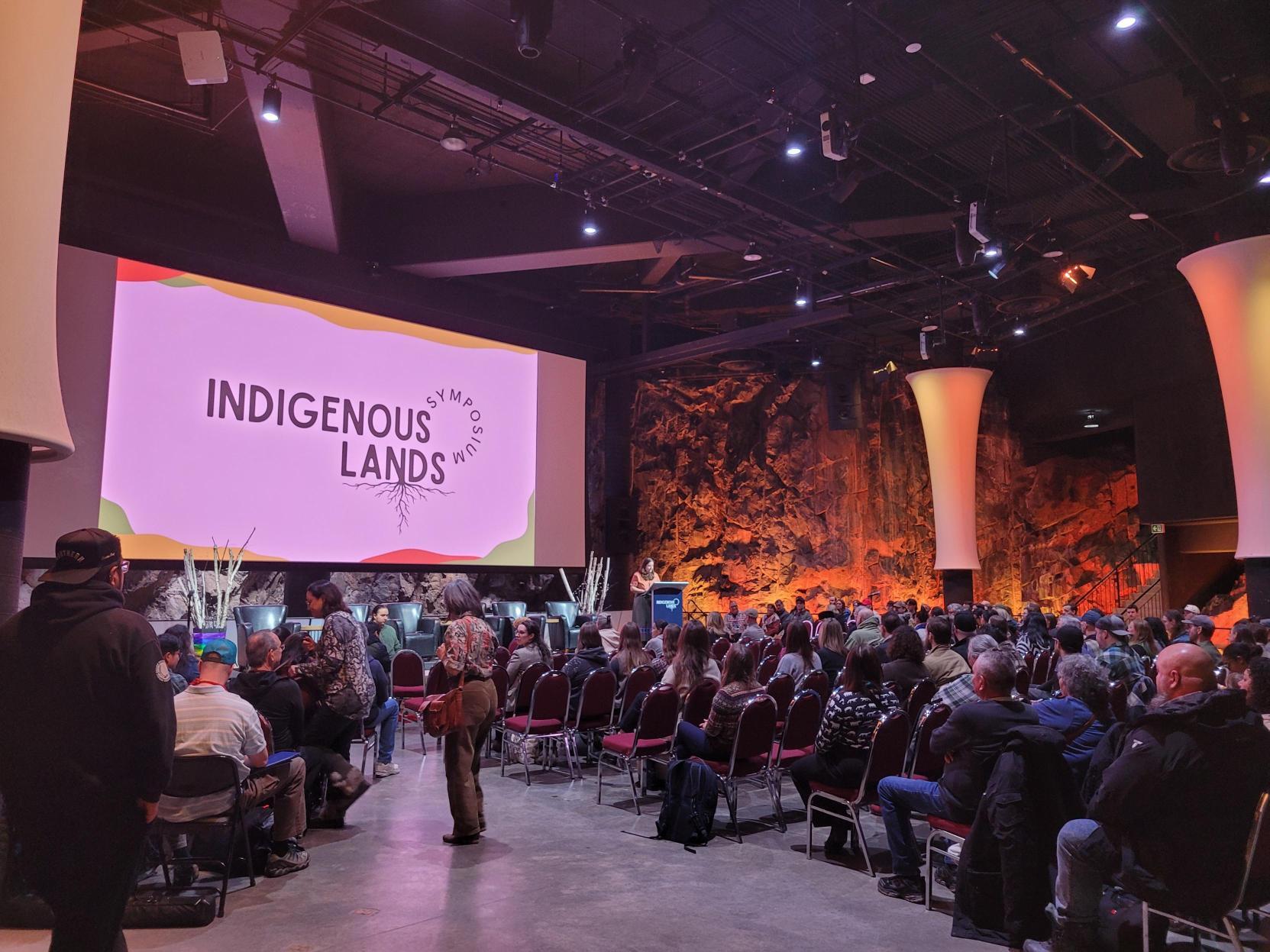
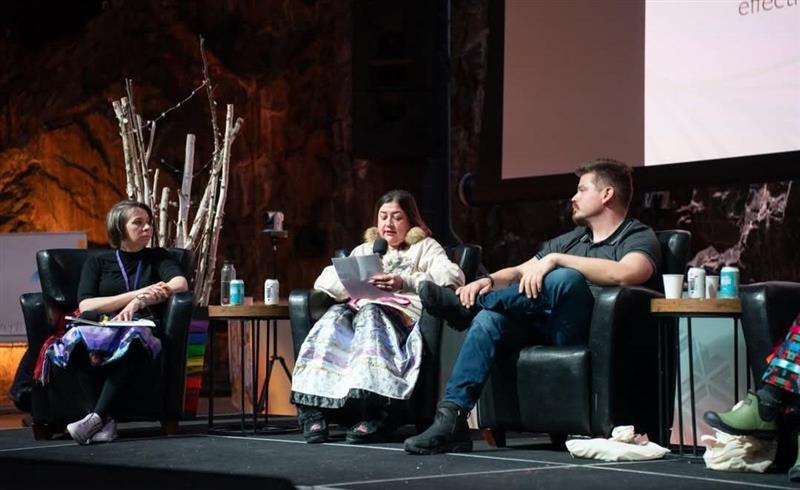
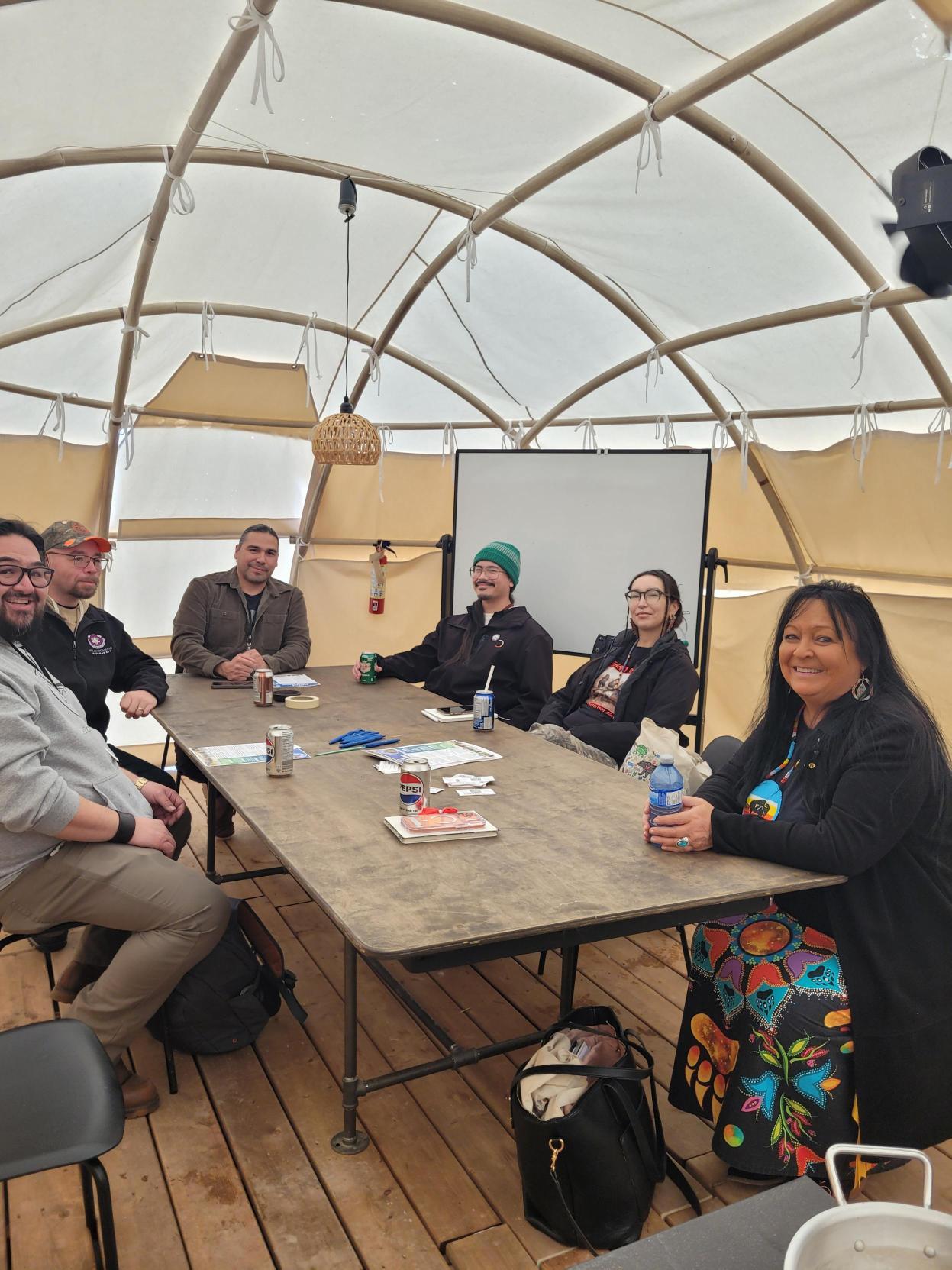
Feb 18, 2026 There are gatherings where you exchange business cards. And then there are gatherings where you exchange responsibilities. The Indigenous Lands Symposium 2026, hosted in Sudbury by Wahkohtowin Development, was firmly the latter. From the moment participants entered the event, hosted at Science North, it was clear this was not simply a conference about forestry policy. It was a space rooted in relationship: to Land, to one another, and to future generations. The symposium opened with teachings from Dr. Kathy Absolon, who reminded us that Creation existed long before humans, and that our responsibilities are grounded not in ownership, but in kinship. Land is not a resource to manage; it is a relative to care for. Throughout the week, Nations shared how they are moving beyond colonial consultation models and into the full expression of inherent jurisdiction, designing conservation plans, Guardian programs, and stewardship strategies on their own terms. The conversations were practical and grounded but always connected back to something deeper: responsibility. For NCIAF, that responsibility includes food. On the second day, Emily Nanne, NCIAF’s Northern Ontario team member, moderated a panel on Indigenous Food Sovereignty. The discussion quickly revealed what many in the room already understood: food systems are not separate from land governance; they are a direct outcome of it. Kara Tremblay of Apitipi Anicinapek Nation, Jordan Assinewe of Sagamok Anishinabek First Nation, Gigi Veeraraghavan of Mushkegowuk Council, and Elder Isabell Souliere of Missanabie Cree First Nation each brought lived experience to the conversation. They spoke about reclaiming harvesting practices, strengthening community garden programs, protecting hunting territories, and ensuring that traditional knowledge is carried forward. Elder Isabell’s stories — shared through photographs and memory — reminded us that traditional foods are not simply alternatives to store-bought goods. They are medicines. They are identity. And in Northern regions where supply chains falter and food prices soar, they are also practical solutions grounded in generations of knowledge. Truths that were echoed by her fellow panellists through their knowledge and stories from the work in their communities. What became clear is that when Nations assert jurisdiction over land, they also strengthen jurisdiction over food, and in doing so, improve health, resilience, and cultural continuity. NCIAF also hosted a Teaching Lodge during the symposium, joined by our partners at CareersNOW! and NCIAF leadership. The conversations flowed easily: youth land camps, Indigenous entrepreneurship, Guardian programs, community gardens. Lands and Resources teams sat alongside food system advocates, recognizing that decisions about forestry and water are inseparable from decisions about nourishment and wellbeing. The symposium closed with global Indigenous voices sharing perspectives from beyond the boreal forest. Different territories. Shared challenges. Shared determination. We left Sudbury reminded that food sovereignty does not begin in a kitchen or a greenhouse, it begins on the Land. And, as Indigenous Nations across Northern Ontario continue to assert leadership over their territories, they are also shaping the future of their food systems in ways that are self-determined, innovative, and deeply rooted in culture.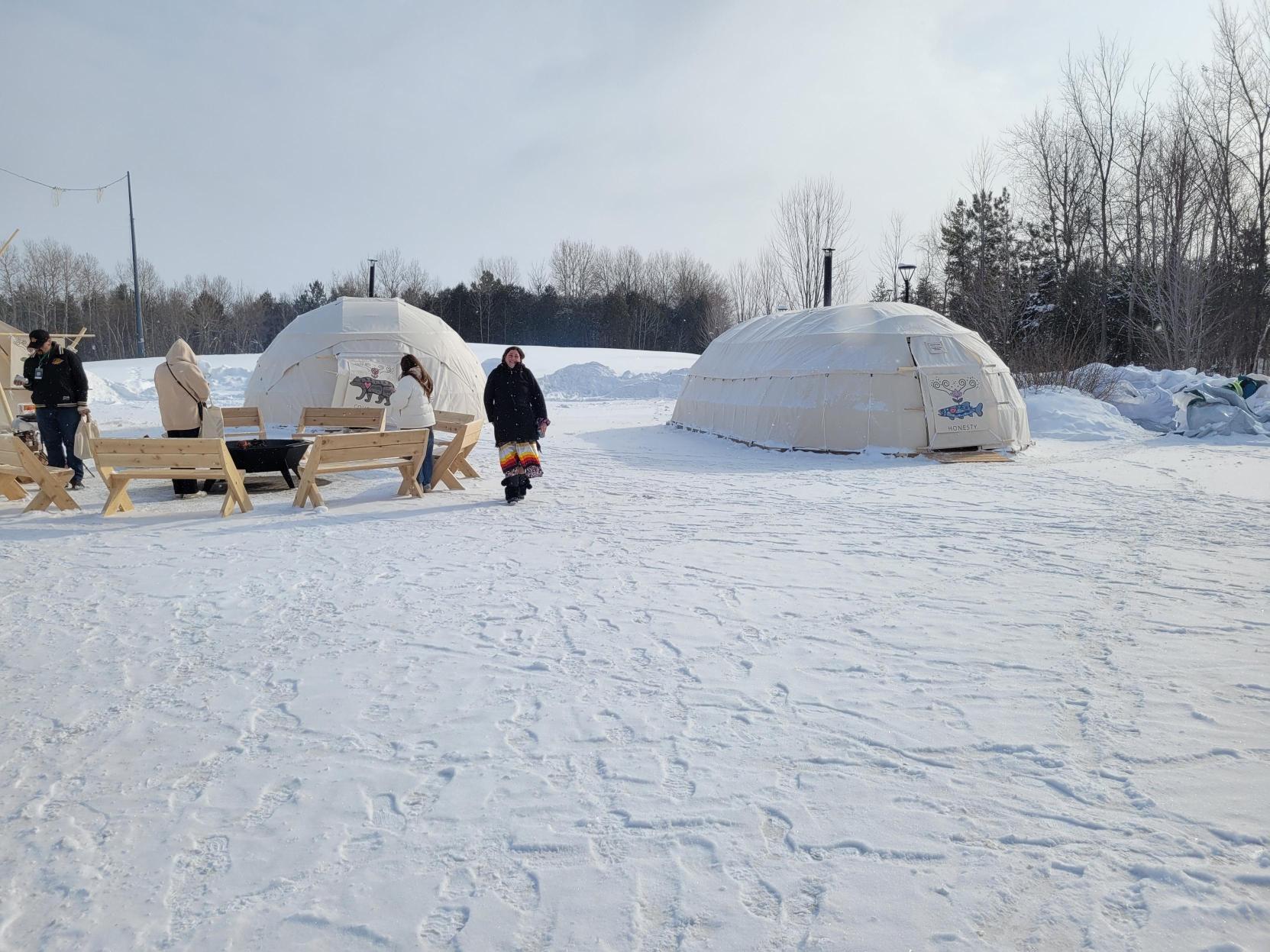
Where Land and Food Meet: Reflections from the Indigenous Lands Symposium 2026